




NEWYou can now listen to Fox News articles!
A federal judge in New York has ordered the release of a purported suicide note written by Jeffrey Epstein to his then-cellmate, Nicholas Tartaglione, siding with The New York Times in a request to unseal the document.
The note had been filed under seal as part of Tartaglione’s case, in which the former police officer was convicted of multiple murders.
U.S. District Judge Kenneth Karas ruled the document should be made public, finding no sufficient reason to keep it sealed.
In the handwritten note, Epstein appears to reference past investigations and expresses frustration, writing in part, “They investigated me for months – found nothing!!!” and “Time to say goodbye.” Portions of the note are difficult to read.
HOWARD LUTNICK FORCED TO FACE JEFFREY EPSTEIN TIES DURING HOUSE OVERSIGHT HEARING
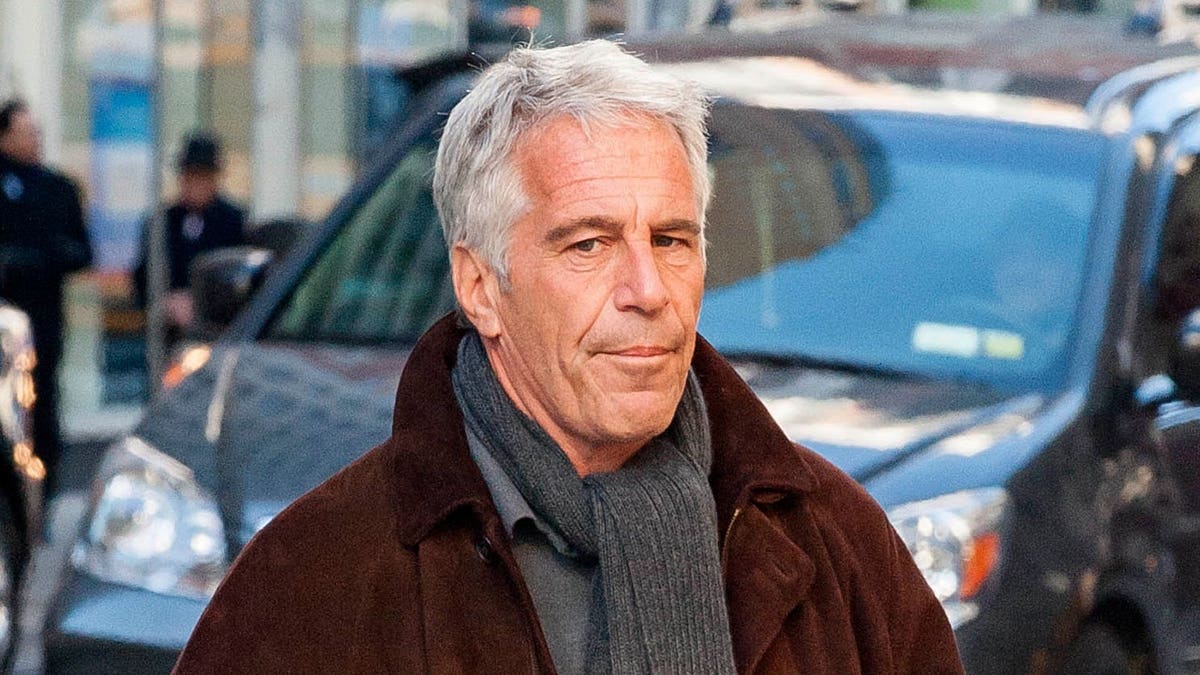
A federal judge in New York has ordered the release of a purported suicide note written by Jeffrey Epstein. (David McGlynn, File)
The document is described in court filings as a “suicide note purportedly authored by Jeffrey Epstein,” which Tartaglione allegedly recovered while the two were briefly housed together at the Metropolitan Correctional Center in Manhattan.
Epstein was found dead in his cell Aug. 10, 2019. The disgraced financier, whose death was ruled a suicide by hanging, was awaiting trial on federal sex trafficking charges.
Tartaglione’s attorneys later submitted the document as part of court proceedings, where it remained under seal for years.
The New York Times sought access to the note along with several other materials tied to a legal inquiry into potential conflicts among Tartaglione’s defense attorneys, known as a Curcio hearing.
Those materials included attorney reports, hearing transcripts and prior court orders.
HOUSE OVERSIGHT COMMITTEE DEMANDS DEPOSITIONS FROM BONDI AND LUTNICK IN EPSTEIN PROBE
Karas said the note qualifies as a judicial document subject to a strong presumption of public access.
“The public has a strong presumptive right of access to certain judicial documents, established by the First Amendment, as well as a weaker presumptive right to all judicial documents, established at common law,” the ruling said.
“The common law right of public access to judicial documents is one “firmly rooted in our nation’s history” that provides “a measure of accountability” for federal courts and protects the public’s “confidence in the administration of justice.”
The court also found Tartaglione waived attorney-client privilege by discussing the note’s contents publicly, including in interviews.
In addition, the judge said privacy concerns were limited because Epstein is deceased and details about the note have already entered the public domain.
HAKEEM JEFFRIES REFUSES THREE TIMES TO ANSWER QUESTION ABOUT APPROPRIATENESS OF PLASKETT’S EPSTEIN MESSAGES
While the note itself will be unsealed, the court stopped short of granting the Times’ broader request for additional documents. Instead, Karas directed attorneys for both sides to propose redactions and provide legal arguments before a final decision is made on those materials.
Tartaglione, who was convicted of multiple murders tied to a drug trafficking scheme, was briefly housed with Epstein at the Metropolitan Correctional Center in Manhattan while awaiting trial, according to the court. He was no longer Epstein’s cellmate at the time of Epstein’s death.
Questions about the note’s authenticity have already emerged.
Epstein’s brother, Mark Epstein, told Fox News Digital he does not believe the note is legitimate and had not seen it prior to its release.
“Makes no sense,” he said. “We know the event in July was not a suicide attempt. Hence, there would not be a note from then. He was not in the same cell with NT after that.”
DEMOCRAT FOUND TEXTING JEFFREY EPSTEIN FACES HOUSE CENSURE, COMMITTEE REMOVAL THREATS
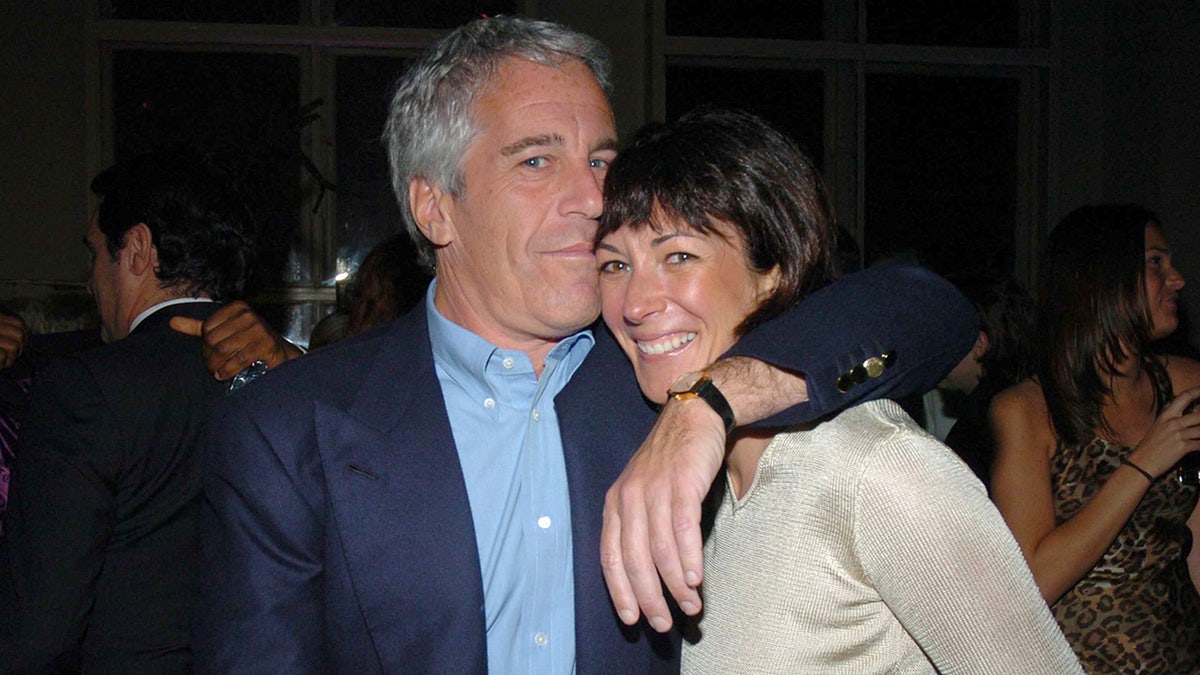
Financier Jeffrey Epstein and Ghislaine Maxwell in New York City in 2005. (Joe Schildhorn/Patrick McMullan via Getty Images)
Jeffrey Epstein had previously accused Tartaglione of assaulting him about a month before he was found dead in his jail cell.
Tartaglione later told guards Epstein had attempted to hang himself, but Epstein’s lawyers and his brother disputed that account, saying he had been attacked.
The ruling marks a significant step toward public disclosure of records tied to both Tartaglione’s case and Epstein, whose death in federal custody has remained the subject of widespread scrutiny and speculation.
The court ordered that the note be formally unsealed and entered into the public record, while setting a deadline for further filings on the remaining documents.
