







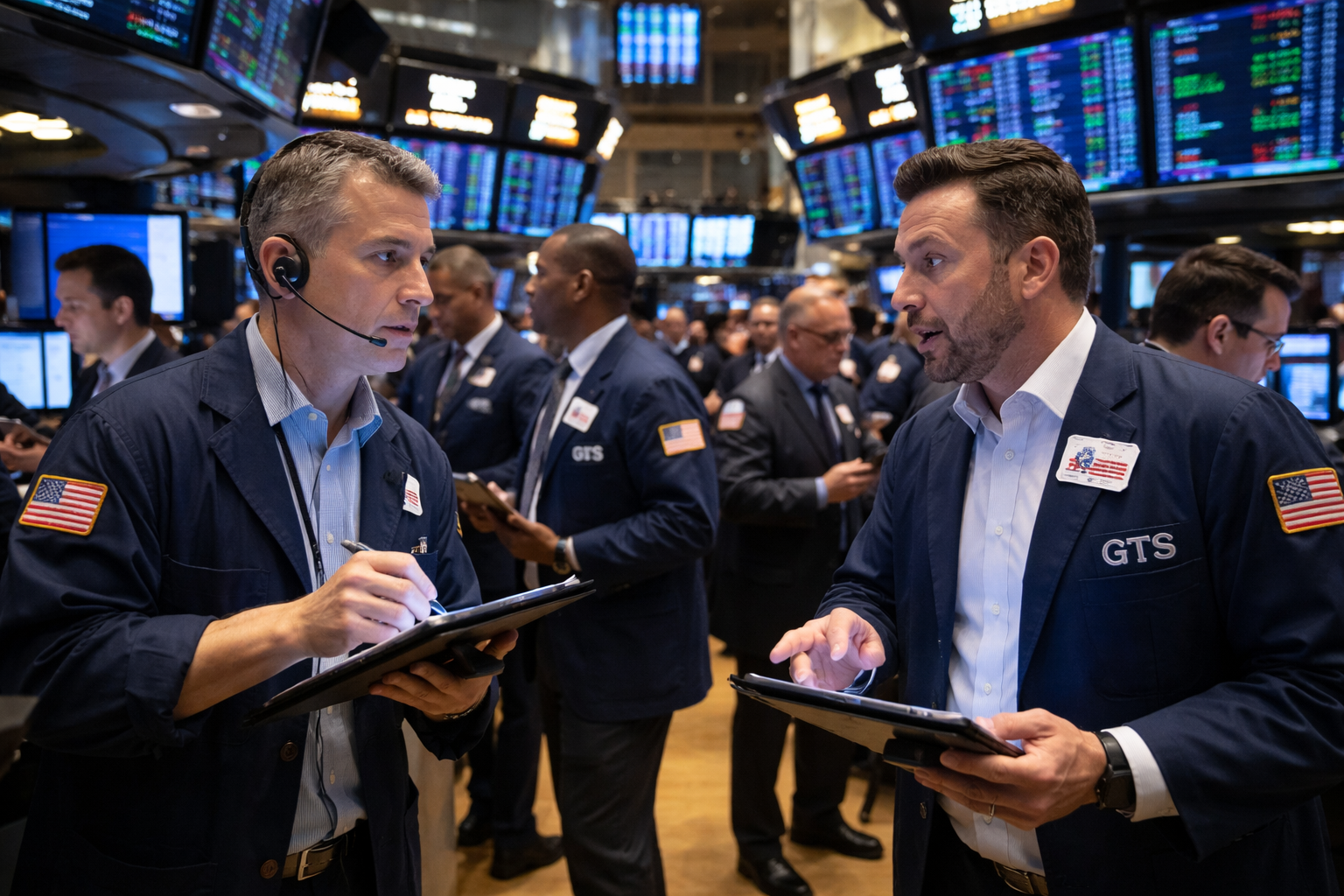

US stocks closed lower on Tuesday, with the S&P 500 and Nasdaq Composite extending their losing streaks to three consecutive sessions as rising Treasury yields and persistent inflation concerns weighed on investor sentiment.
The S&P 500 declined 0.67%, while the Nasdaq Composite lost 0.84%.
The Dow Jones Industrial Average fell 321.81 points, or 0.65%, as markets struggled to regain momentum following a powerful rally earlier this year.
Investors remained focused on surging bond yields, elevated oil prices, and continued uncertainty surrounding tensions between the United States and Iran.
The benchmark 10-year Treasury yield climbed to 4.687%, its highest level since January 2025, while the 30-year Treasury yield touched 5.198%, marking its highest level in nearly 19 years.
The jump in yields followed a series of inflation reports released last week that showed price pressures accelerating as oil prices surged amid the Middle East conflict.
Higher Treasury yields emerged as one of the biggest concerns for equity investors on Tuesday, particularly as markets reassessed expectations for future Federal Reserve policy.
Traders increasingly began pricing in the possibility that the central bank may need to raise interest rates again if inflation remains elevated.
According to CME FedWatch data, markets now assign a 41.7% probability of a 25-basis-point rate increase by December, while odds of a 50-basis-point hike climbed sharply from the previous week.
Oil prices and Iran tensions remain in focus
Markets also closely monitored geopolitical developments involving Iran and global energy supplies.
Crude prices eased slightly on Tuesday after President Donald Trump announced late Monday that he had called off a planned military strike against Iran following requests from regional leaders to delay military action.
West Texas Intermediate crude settled down 0.82% at $107.77 per barrel, while Brent crude futures fell 0.65% to $111.37 per barrel.
However, oil prices remained elevated as traders continued assessing risks tied to the Middle East conflict and shipping disruptions near the Strait of Hormuz.
Later Tuesday, reports emerged that the United States had seized an oil tanker linked to Iran in the Indian Ocean.
Semiconductor stocks traded unevenly throughout the session as investors balanced profit-taking against continued optimism around artificial intelligence demand.
The Philadelphia Semiconductor Index briefly fell more than 3% earlier in the day before recovering to trade roughly flat by the close.
Nvidia remained a major focus for investors ahead of its quarterly earnings report scheduled for Wednesday after the closing bell.
The company’s results are expected to provide important insight into whether AI-driven spending remains strong enough to support elevated semiconductor valuations.
Nvidia fell 0.77% in the session.
Micron finished the session little changed after recovering from early trading losses, while Qualcomm declined more than 4% and Broadcom fell 2%.


