







NEWYou can now listen to Fox News articles!
FIRST ON FOX: Cold case detectives in Los Angeles are looking at newly discovered fingerprints from 1943 in connection with the mysterious Black Dahlia murder — the unsolved slaying and dismemberment of aspiring actress Elizabeth Short in 1947.
The 22-year-old Massachusetts native’s mutilated remains were discovered in a vacant lot in Los Angeles nearly 80 years ago. She had been cut in half, drained of blood, scrubbed clean and posed in a way that the young mother who found her initially thought she was a mannequin, according to the FBI.
“This is probably one of the most difficult cases, realistically, because of the time that’s passed,” said Detective Marty Mojarro, one of two LAPD cold case investigators who have inherited the case.
ZODIAC KILLER MAY BE TIED TO BLACK DAHLIA CASE AFTER ‘CODE CRACKED,’ NEW SUSPECT EMERGES

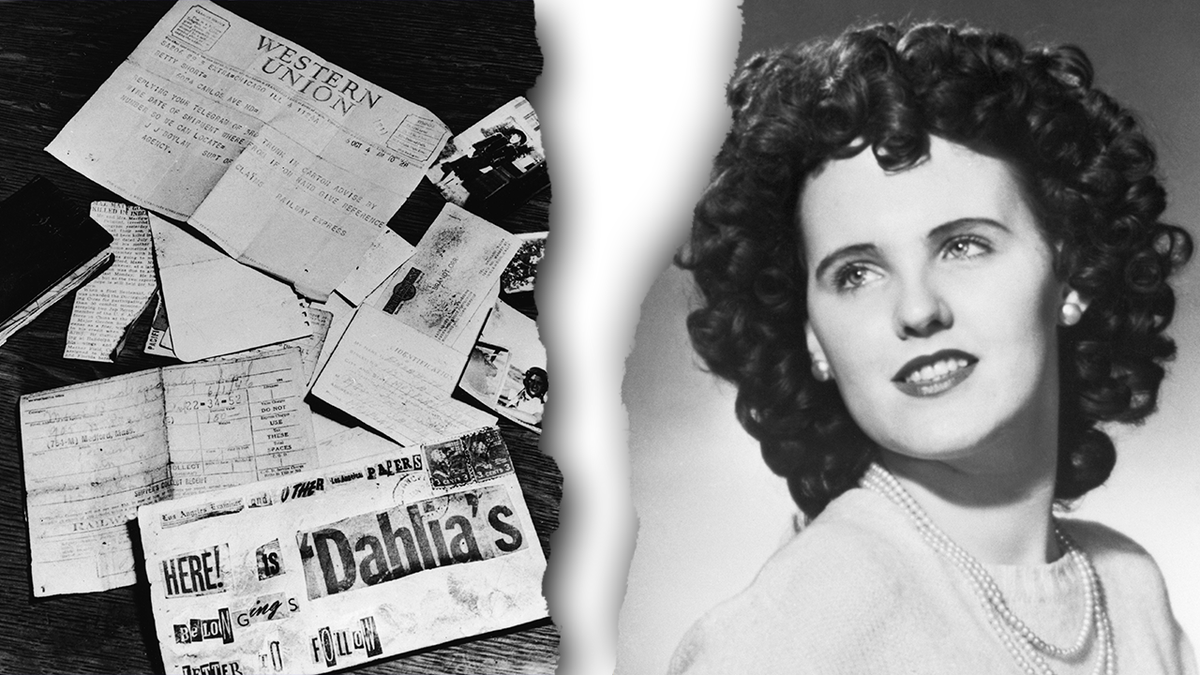
A split image showing the headshot of aspiring actress Elizabeth Short, a murder victim nicknamed the Black Dahlia, and evidence connected to her case. (International News Photo/Getty Images, Bettmann)
Most recently, independent forensic examiner Alex Baber, co-founder of the Cold Case Consultants of America, said he found evidence that could link Short’s ex-boyfriend Marvin Margolis to her murder and to the Zodiac Killer, another infamous, unsolved case in California.
SIGN UP TO GET TRUE CRIME NEWSLETTER
Mojarro said the claim still needs vetting but warrants further investigation, and he has received what Baber says is Margolis’ government fingerprint card from 1943, which had not previously been obtained by police.
“As an investigator, if it potentially could help, I would absolutely not turn it down,” Mojarro told Fox News Digital.
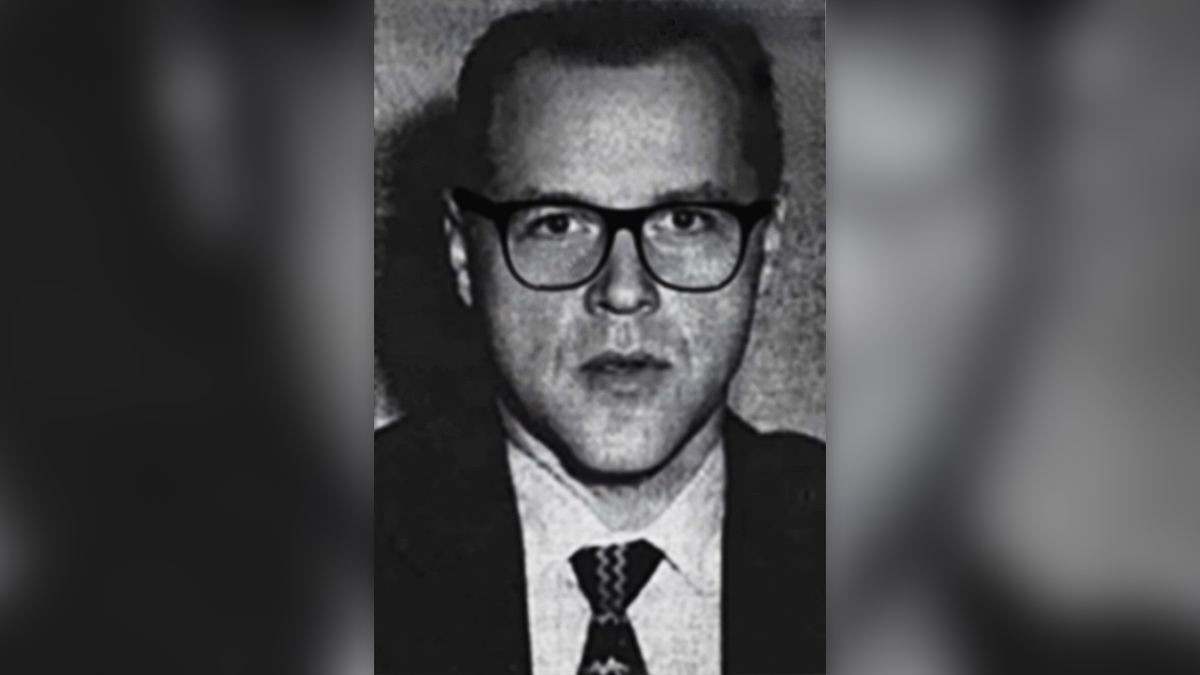
An image of Marvin Merrill in 1969. (Courtesy of Alex Baber)
SEND US A TIP HERE
Margolis served in the Pacific in the Navy in World War II. He lived in Los Angeles after the war with a roommate named Bill Robinson, who was a Navy cryptologist, and he dated Short.
LOS ANGELES DA ANNOUNCES CHARGES AFTER BREAKTHROUGH IN 30-YEAR-OLD MURDER COLD CASE
Margolis was among 22 persons of interest in her death identified in 1951, according to police records Baber shared with Fox News Digital previously. Later, he changed his name to Marvin Merrill, then again to Marty Merrill, and settled in the Midwest.
LISTEN TO THE NEW ‘CRIME & JUSTICE WITH DONNA ROTUNNO’ PODCAST
Mojarro said he could not comment on what other evidence the LAPD may or may not have in the case file to compare the exemplars to.
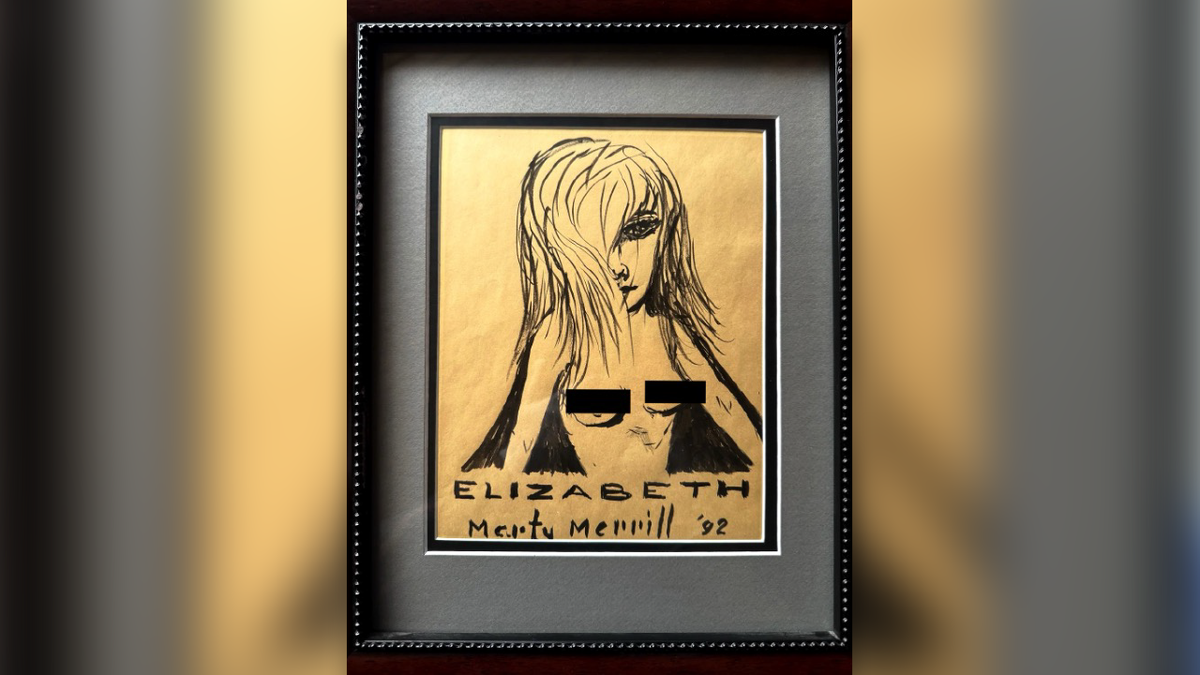
Baber said he believes this image shows Black Dahlia victim Elizabeth Short and was drawn by Marvin Margolis, who may have used the aliases Marvin Merrill and Marty Merrill. Margolis was an early suspect in Short’s 1947 murder. He was never charged and has since died. According to Baber, there are indentations from a pencil visible in person that add texture and new clues to the image, including wounds that are consistent with those found on Short and, more explosively, the word “Zodiac” in the lower right. (Alex Baber)
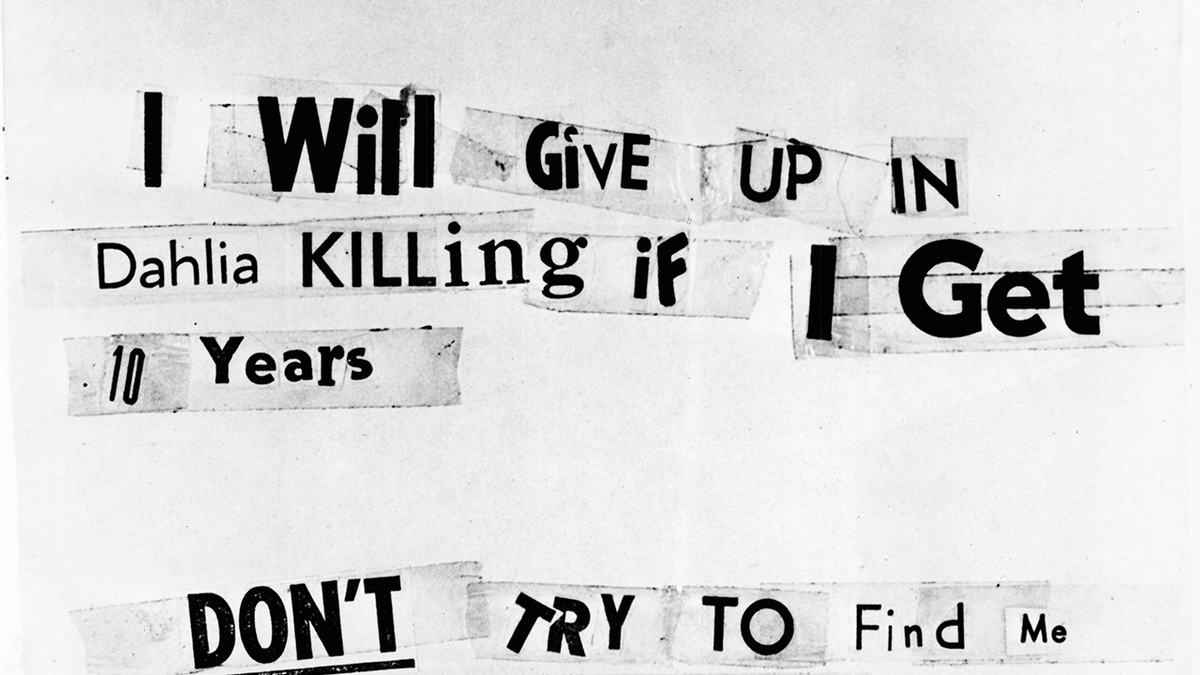
The FBI has revealed previously that there was a letter that may have been sent to authorities by Short’s killer. Fingerprints on the packaging were not a match for anything in the FBI’s database in the past.
LIKE WHAT YOU’RE READING? FIND MORE ON THE TRUE CRIME HUB
According to Baber, his team at Cold Case Consultants was unable to exclude a print on the package, which was sent to the Los Angeles Herald Express on Jan. 24, 1947.
“It contained 23 pieces of Elizabeth’s personal belongings that would’ve been in her purse the night she was abducted and murdered on Jan. 14,” Baber said.
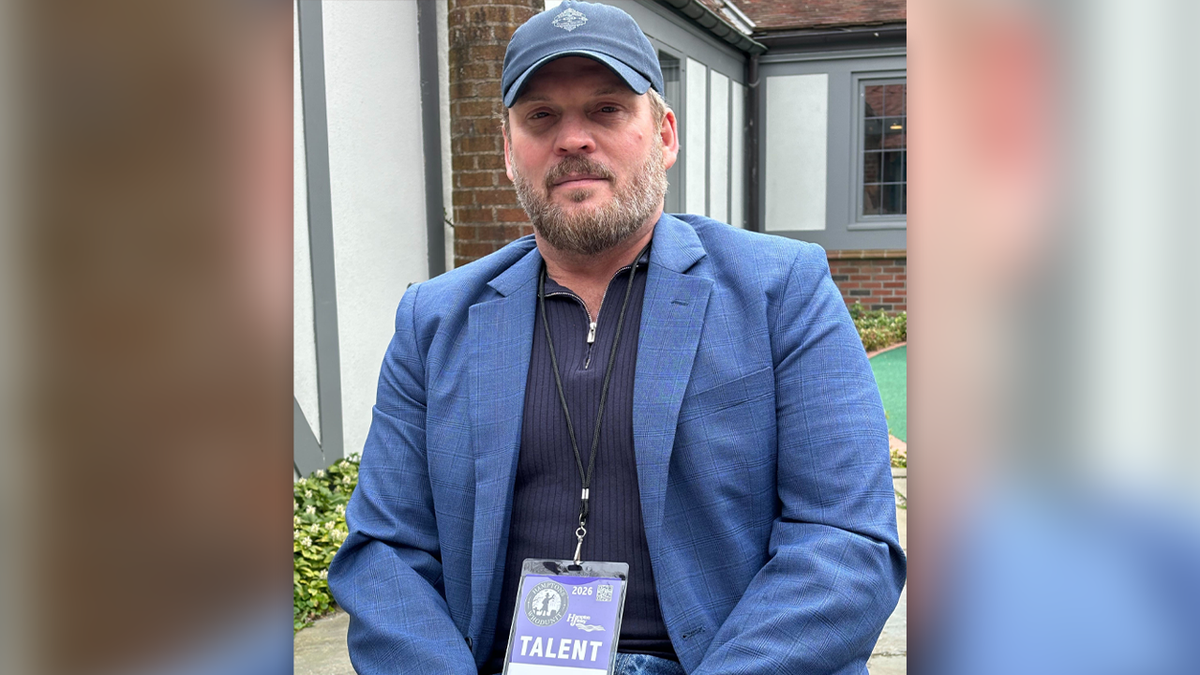
Alex Baber of Cold Case Consultants of America poses for a photo in the courtyard of the East Hampton Library during the Hamptons Whodunit event on Saturday, April 18. Baber presented evidence he says shows the Black Dahlia murder and Zodiac serial slayings were linked. (Michael Ruiz/Fox News Digital)
CLICK HERE TO DOWNLOAD THE FOX NEWS APP
For the LAPD’s cold case investigators, all leads with potential are worth vetting.
“We don’t have live witnesses to interview,” Mojarro said. “All the physical evidence that was ever collected — it is what it is.”


